Florida’s Emerald Coast Welcomes 2018 U.S. Multihull Championship
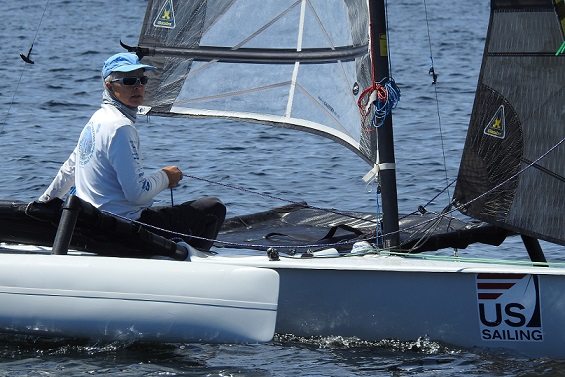
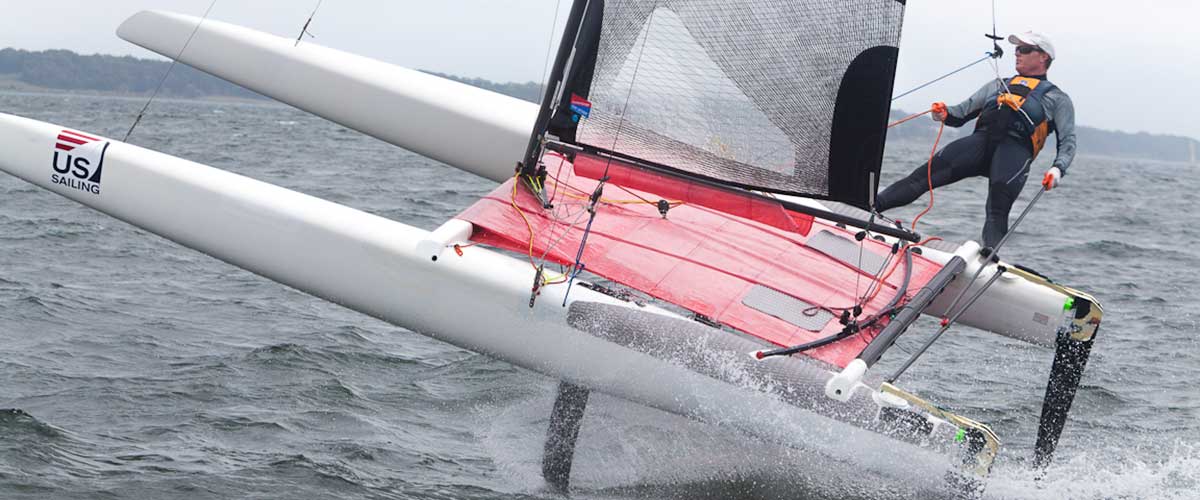
FORT WALTON BEACH, Fla. (April 18, 2018) – The Spring sailing season has arrived and the US Sailing National Championship season gets underway this week on Florida’s Emerald Coast in Fort Walton Beach. The 2018 U.S. Multihull Championship, hosted by the Fort Walton Yacht Club, takes place over four days of racing on Choctawhatchee Bay…Read More
US Sailing Hanson Medal to be Awarded at Pacific Sail and Power Boat Show for 2017 Rescue in San Francisco Bay
Sailors Rescue Swimmer from Sea Lion BRISTOL, RI (April 13, 2018) – The US Sailing Safety at Sea Committee will award the Arthur B. Hanson Rescue Medal to a sailboat’s crew for their rescue of a swimmer injured by an attacking sea lion in San Francisco Bay. The rescuing sailors aboard Grey Goose conducted the…Read More
Chapman, Keen Honored as US Sailing 2017 Coaches of the Year
Pictured from left: U.S. Youth World Team Leader Leandro Spina, Emma Cowles, Steve Keen, Carmen Cowles, and Rosie Chapman. FOR IMMEDIATE RELEASE April 12, 2018 Portsmouth, R.I.- After receiving nominations from the public in early 2018, US Sailing’s Olympic Sailing Committee (OSC) today announced two winners of 2017 national coaching awards. Rosie Chapman (Houston, Texas) has been…Read More
ALERT: Storm Resources from US Sailing
The hurricane season has been devastating to many communities in the United States and Caribbean. Like all marine-related organizations, we are watching closely and on high alert as life threatening conditions persist. Our thoughts and prayers are with those affected by these recent catastrophic hurricanes and flood conditions. While each individual organization’s capabilities are limited,…Read More
Bora Gulari Injured In Training Accident Prior to Nacra 17 Worlds
Portsmouth, R.I. - US Sailing Team Nacra 17 athlete and Rio 2016 U.S. Olympian Bora Gulari (Detroit, Mich.) suffered an injury during a training incident on Wednesday, as he and teammate Helena Scutt (Kirkland, Wash.) were preparing for the upcoming Nacra 17 World Championship (September 5-10, 2017) in La Grande Motte, France. Gulari lost part of…Read More
Five Athletes Added to US Sailing Team Roster
Video: The 49er team of three-time Olympian Chris Rast (Holland, Mich.) and Trevor Burd (Marblehead, Mass.) nearly came away with a medal, finishing in 4th following the skiff medal races at Aarhus 2017. Following strong performances on the international racing circuit this summer, five athletes have been added to the 2017 US Sailing Team roster.…Read More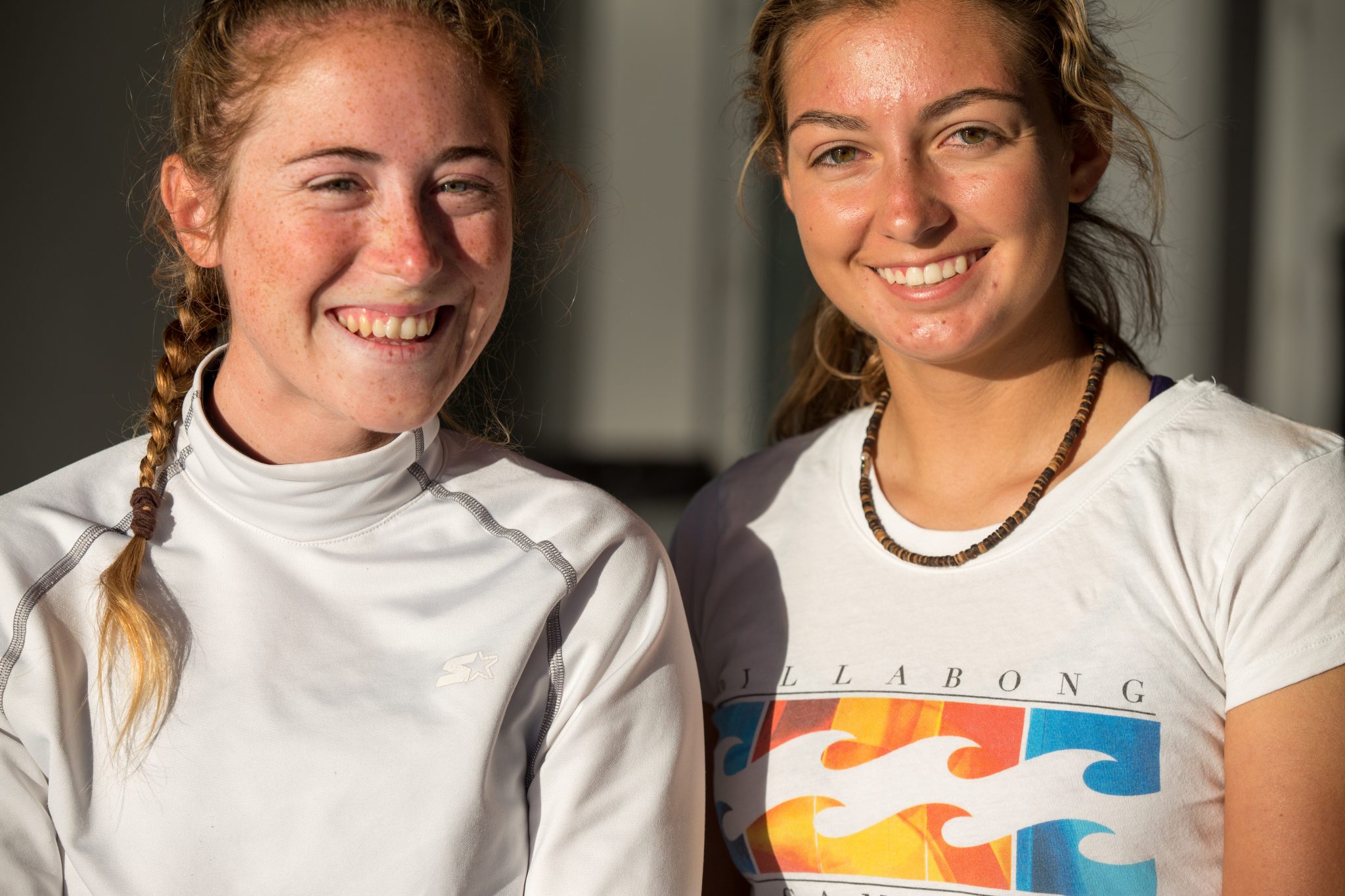
Youth Sailing Today
Five Key Principles for Youth Sailing Today US Sailing is undertaking a long-term project to incorporate the five key principles outlined in the American Development Model into our strategy for growing participation in both recreational and competitive sailing. These five key principles include: Expand access to create opportunity for more youth to start sailing Developmentally…Read More
New US Sailing Headquarters
The Change is Building We are excited to announce that US Sailing will relocate its headquarters on September 15, 2017 to the campus of Roger Williams University (RWU) in Bristol, Rhode Island. The new office space provides us with the opportunity to drive innovation and creativity in our core areas of focus – access, education…Read More