Start with a goal and work hard to achieve your dreams. Whether you want to improve your skills to have more fun sailing, win your local fleet, rival your national competitors, or strive to become an Olympian. The journey starts here!
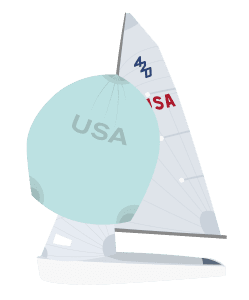
SkiffPlus Intro 29er Clinic- Intro 29er clinics, open to any sailor who has race experience, is 13 years or older and weighs over 100lbs. World class coaching and boats provided. sign up for one or two days.
Brooke Gonzalez Advanced Racing Clinic- June - Newport, RI - ILCA 6, Club 420, i420, 29er, Nacra15 classes. Known for the highest quality coaching and guest speakers, fabulous hospitality, and a range of sailing conditions and venues that only New England offers. Application deadline February.
CISA Clinic- March - Long Beach, CA - ILCA 6, i420, 29er classes. The original advanced racing clinic, CISA is a must-do for youth racers aspiring for the international level. Application deadline February
Hosting a clinic? To add major national or regional clinics to this calendar, please email youth@ussailing.org
Youth Match Racing
The US Sailing Match Racing Committee is actively working on ways to get the more advanced 16-24 year old U.S. sailors into match racing. Match racing makes sailors better… better at keelboat boat handling and making a keelboat go fast, better at making tactical and strategic decisions under pressure, better at the rules, and better at communicating on a team. And it is a great way to transition into keelboat racing where much of adult racing is done. Click here for more information on Youth Match Racing Opportunities
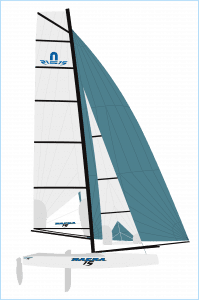
The US Youth Team includes the “US Sailing Youth National Team” and the “US Sailing Youth Worlds Team” and welcomes athletes under age 19 in the following classes: 29er, i420, Nacra 15, ILCA 6, iQFOiL, and Formula Kite.
The US Sailing Youth Worlds Team represents Team USA annually at the World Sailing Youth Championships. US Sailing supports a US Youth Team composed of athletes in the following classes: ILCA 6, iQ FOiL, Formula Kite, International 420, Nacra 15 and 29er.
The new US Sailing Youth National Team now encompasses a broader pool of nationally recognized talent beyond the 16 that qualify for the Youth World Championship. Made up of up to 72 athletes across the 6 youth classes, the Youth National Team provides robust annual training and competition support.
We encourage sailors to participate in the absolute highest level of competitive sailing within their region. (In the Great Lakes this could be scow or keelboat sailing, in Hawaii it could be iQ FOiLing, in NorCal it could be i420 or 29er sailing, for example.) Take advantage of your local resources and become a competent and skilled racer who is competitive in your region.
Sailors who are ready to travel outside their region and graduate to competition on a national scale should compete at national championship level events 1 to 2 times per year, and consider travelling internationally to check in on where their skills stack up.
Sailors with international experience who are ready to campaign in their class and work towards professional, more specialized training can orient their goals to youth worlds selection and gold fleet racing at the class World Championships.
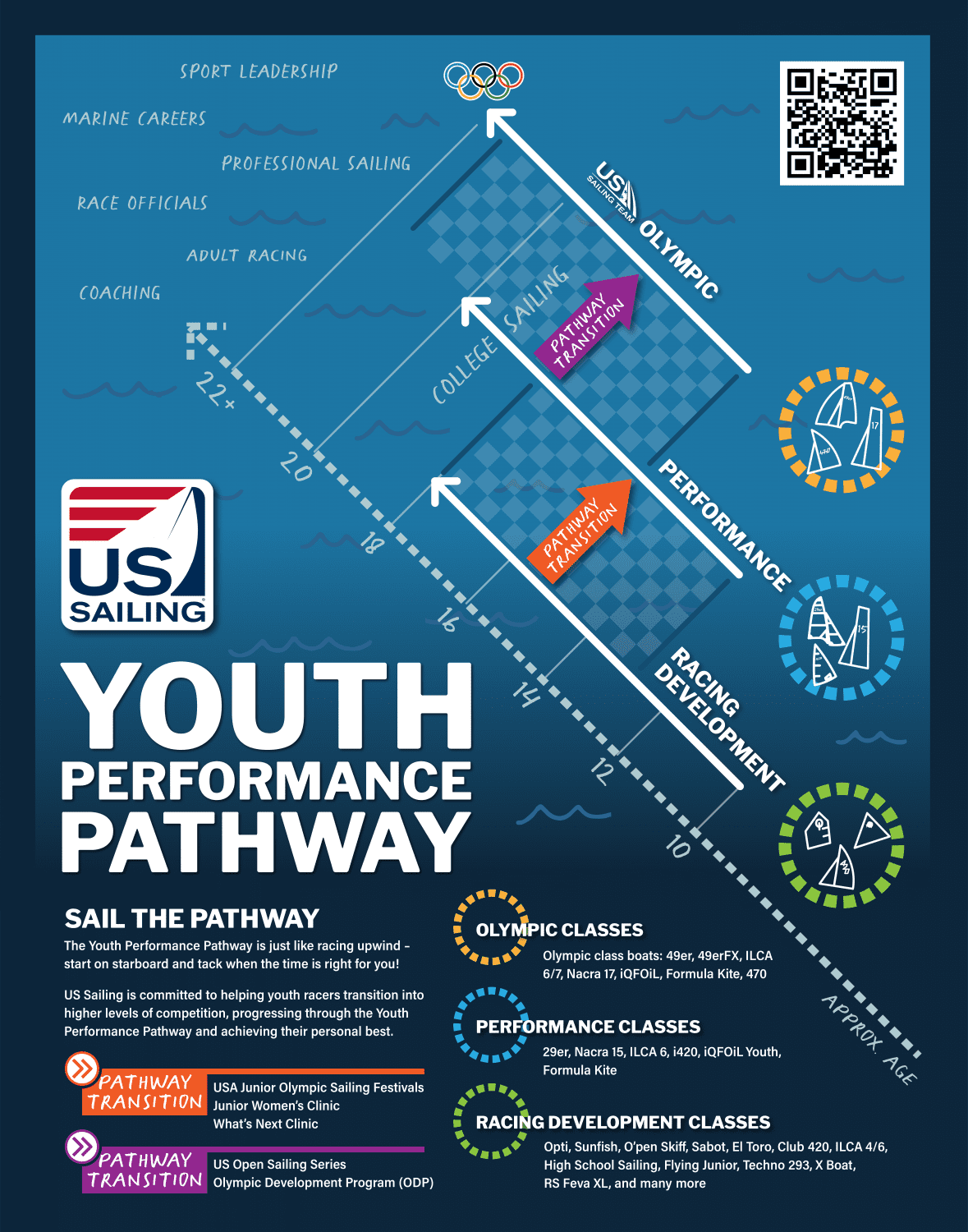
The three-tier Youth Performance Pathway illustrates the progression from grassroots youth racing to higher levels of the sport, as well as lifelong sailing as adults. The Racing Development, Performance, and Olympic boat classes are detailed below, and each class has it's regatta and training schedule facilitated by Class Associations.
There is no single path through the sport, and each sailor is encouraged to “tack upwind” based on their own preferences and goals. US Sailing encourages all sailors to strive for their personal best and participate as lifelong sailors, and the pathway is also for sailors who aspire to race at the national and international level, qualify for the US Sailing Team, and represent Team USA at the Pan Am and Olympic Games.
US Sailing hosts several annual events that award winners with historic perpetual trophies in Youth World Classes, Match Racing, Team Racing, and Girls Singlehanded and Doublehanded Racing. Go to the championships page on our website here.
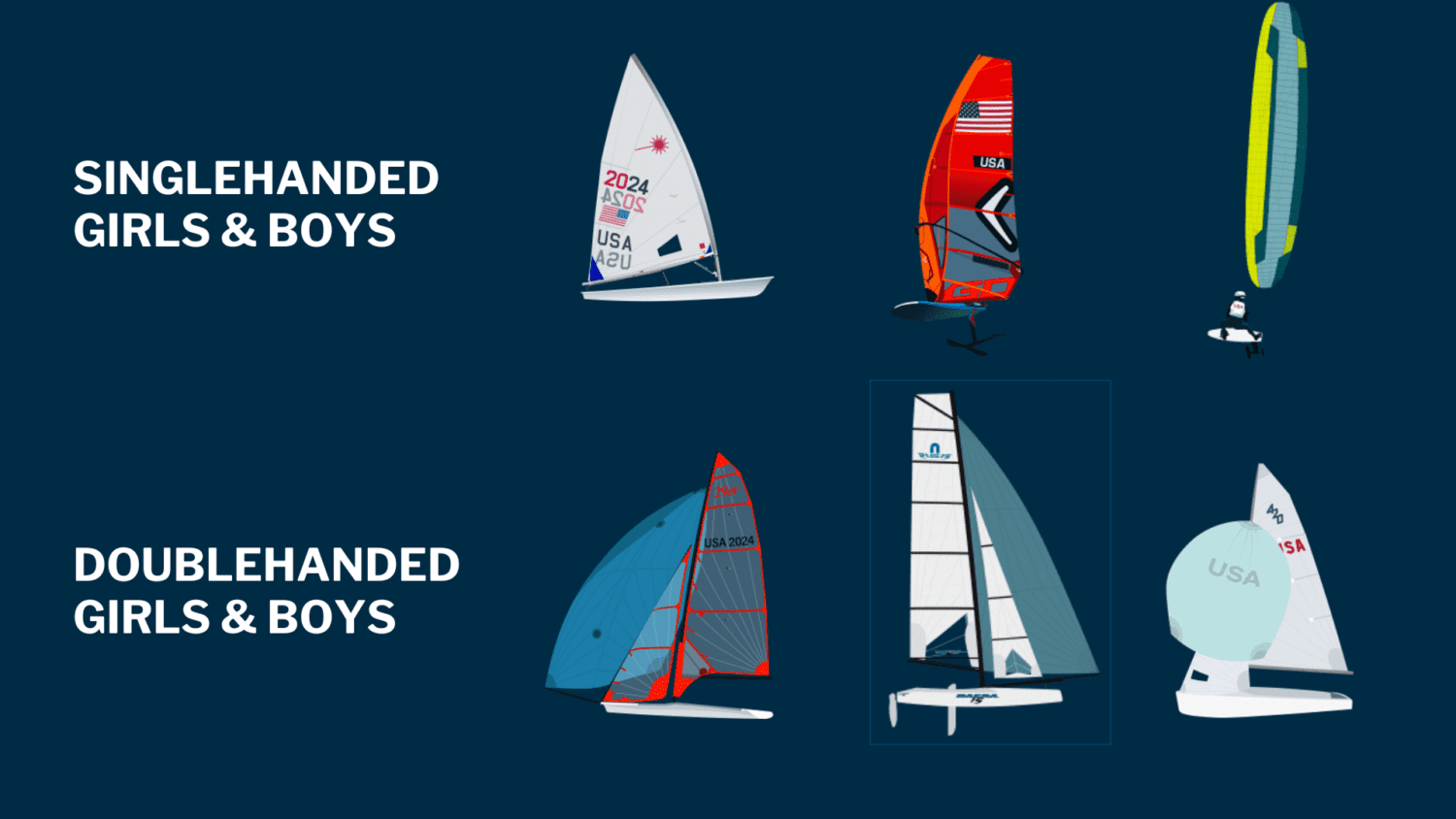
Youth Worlds Classes include for boys and girls include the ILCA 6, iQ FOiL (windsurf foil), Formula Kite (kite foil), mixed Nacra 15 (multihull), 29er (mixed/boys/girls skiff), and i420 (mixed, boys, girls dinghy).
US Sailing promotes racing in the Youth World Classes and supports U19 sailors in their work toward competitive excellence by hosting annual training camps, learn to clinics, championship events and the US Youth Team which competes annually at the World Sailing Youth Championships.
Find events and information at the Class Association Websites:
The “Olympic Development Program” (ODP) is composed of athletes competing in Olympic equipment and working to make the Top 20 in the world to qualify for the US Sailing Team.
Gaining experience in different boat classes and sailing in the most competitive arenas will prepare youth athletes for next level racing. College is about academics first and sailing skill second. College coaches are looking for attitude an ability that compliments their team: teamwork, commitment, fitness and dedication are important skills.
From the President of ICSA:
"About 185 schools in the US have college sailing teams, ranging from club to varsity sports.
Qualifications for college sailing recruitment vary among programs and schools. Typically, coaches are looking for sailors who can help their teams win at the highest level: Talented sailors with a proven [winning] track record; team players; high level athletes. Excelling in multiple sports could be important, as it shows athleticism and a winning mindset. Coaches also reach out to high school and youth coaches for their recommendations.
One of the biggest misconceptions is that a sailor must be recruited to participate in college sailing, and that is really just not true. Most college sailing programs allow for people with sailing backgrounds to try out for the team. I think that the “walk-on” success rate in sailing is higher than almost any other college sport. The chance of being a walk-on is high because most college sailing programs are not able to fill their rosters with recruited sailors. Also, typically fewer people on campus have played our sport in comparison to other sports."
Established expectations are known and discussed frequently.
All members are accountable to the standards set.
Team takes ownership and authorship of action: “This is how we do things around here.”
Standards for operation.
WORKS ON THINGS THAT MATTER
Operational tempo and efficacy of action are monitored and tended to.
Time, the most valuable resource, is allocated to things that matter most, and not to those that don’t make a lasting impact.
Each person’s effort is aligned with their role in the organization.
DECENTRALIZED COMMAND
Each member is encouraged to challenge and support one another to maintain the standards and improve the organization.
Communication is frequent and full of candor, honesty, and respect.
Everyone is responsible for the success or failure of the team.
THE ART OF WORKING TOGETHER
There is an awareness of the capabilities and limitations of each individual
Know where the sticky points are and work together to get around them.
Define where the opportunities for improvement exist.
Know how to help each other, or not to step on each other’s toes
LEADERSHIP AT ALL LEVELS
Everyone is aligned to fulfill the needs of the team
Less talk more action: Show don’t tell, lead by example.
Small group works toward self management
National Youth Racing Calendar
Please note: Dates and Locations are not necesarily finalized. Please confirm with National Class Assocations. This calendar is intended to aid in long term planning only. Please email questions or corrections to youth@ussailing.org
Thanks for subscribing! Please check your email for further instructions.
Something went wrong. Please check your entries and try again.
Classes
Racing Development, Performance, and Olympic Classes
The Youth Performance Pathway starts at the Racing Development tier, which includes popular “club” boats such as the Opti, Club 420, high school sailing, and many other learn-to-race boats and boards. This is where most youth racers get their start, learning to race locally and building skills and experience at the regional and national level.
The Performance tier is the second step of the pathway and represents a step up to the faster, more technical boats and boards that are the global standard for youth competition. This is where sailors expand their technical sailing skills, develop as performance athletes, and compete on a national and international level.
The Olympic tier is the third and final step of the pathway and includes the boats and boards raced in the Olympic Games. Sailors at the Olympic tier are eligible to qualify for the US Sailing Team based on their competitive performance at the World Championship or other top international competitions.
About: The most popular racing trainer in the US and around the world, the Opti is small but technical, with a long history of teaching racing skills and developing highly competitive sailors.
About: Popular in Southern California and raced by kids and adults, the Sabot is known for it’s sensitive balance and has a long history of developing highly competitive sailors.
About: Designed in 2006, the O’pen Skiff’s (formerly O’pen Bic) nimble boathandling and self-bailing cockpit, along with unconventional regatta formats, make it popular around the world.
About: Simple design and rigging and competitive racing have made the Sunfish a popular choice for kids and adults for decades. The Sunfish is raced in the Pan-Am Games.
About: With a shorter mast and smaller sail on the ILCA hull, The ILCA 4 (formerly known as the Laser 4.7) is the feeder class to the ILCA 6 and ILCA 7.
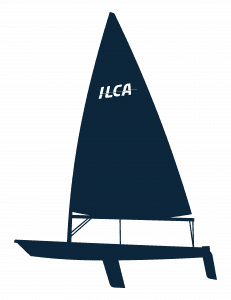
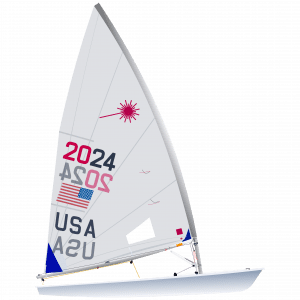
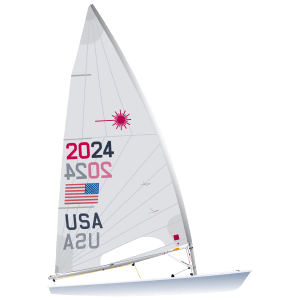
About: The ILCA 6 (formerly known as the Laser Radial) is widely used at all levels of competition, from grassroots racing to the Olympic Games as the Women’s Singlehanded Olympic Class.
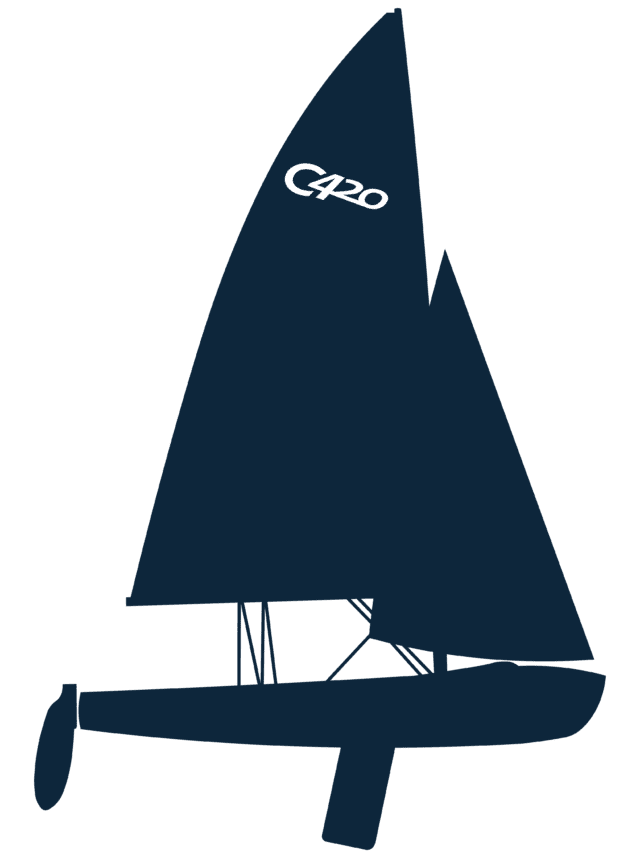
About: An American variation of the International 420, with simplified rigging and heavier construction for club and institutional use. Popular as a two person racing trainer nationwide.
About: Particularly popular in Southern California, the FJ’s simple rigging and nimble boat handling are well-suited for short-course racing and team racing.
About: With an asymmetrical spinnaker and small, durable hull, the RS Feva XL is designed for smaller sailors who want to sail with a teammate, rather than singlehanded.
About: With a durable board and four sail sizes to match different ages and body sizes, the Techno 293 is the most popular windsurf racing trainer in the world.
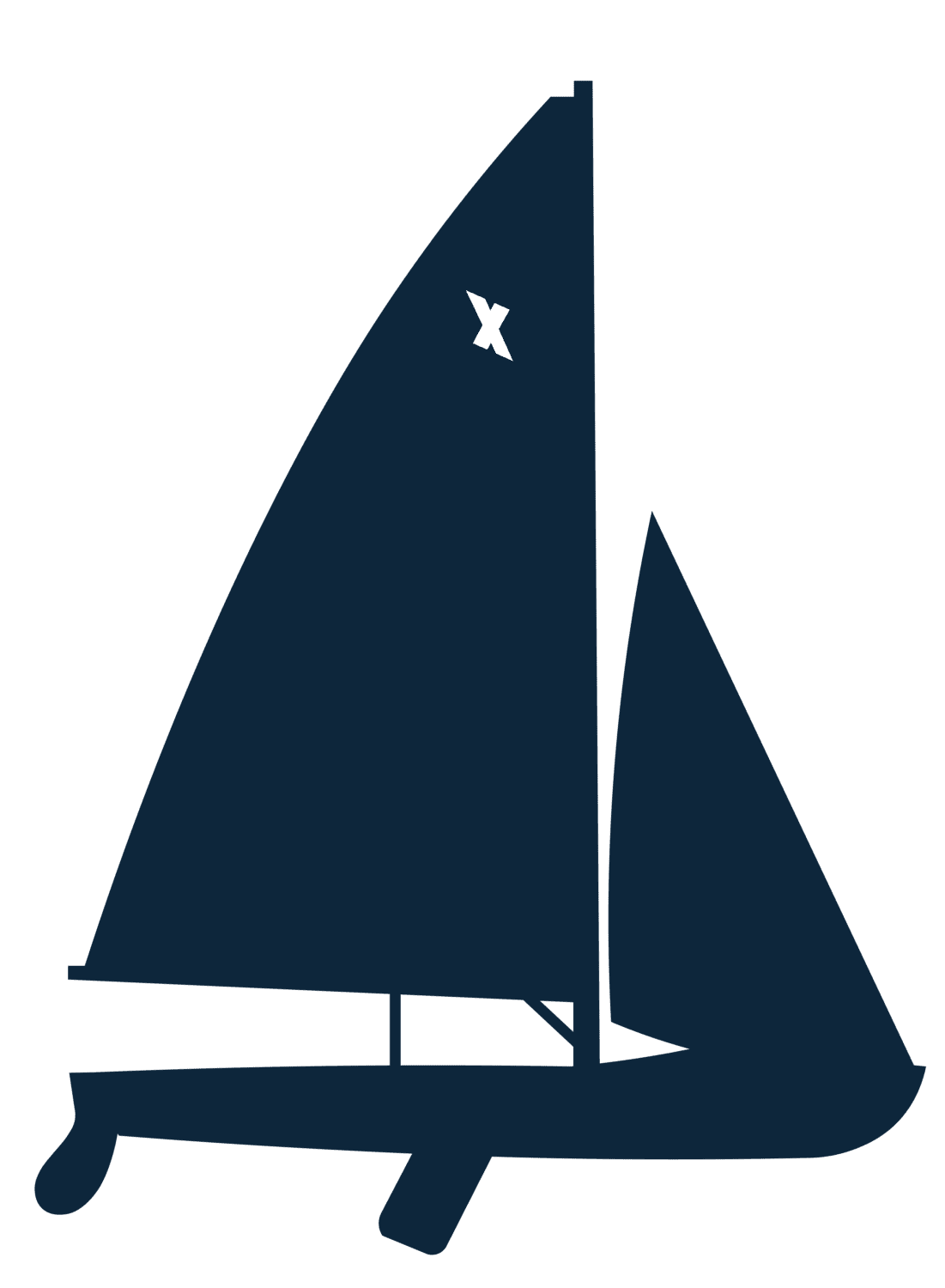
About: Known for it’s simple rigging and relatively heavy displacement due to a weighted centerboard, the X Boat is popular in the inland lakes of the Upper Midwest.
About: With events for singlehanded and doublehanded dinghies, as well as keelboats, high school sailing allows school teams to compete in sailing at grassroots and national levels.
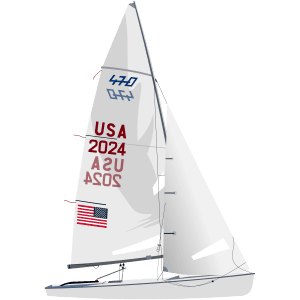
About: The International 420 is lighter and more technical than it’s cousin the Club 420, and more sensitive to tuning due to it’s tapered mast and adjustable rigging.
About: The ILCA 6 (formerly known as the Laser Radial) is widely used at all levels of competition, from grassroots racing to the Olympic Games as the Women’s Singlehanded Olympic Class.
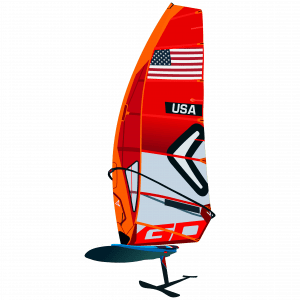
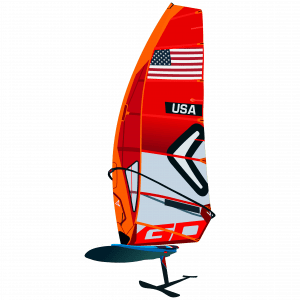
About: The iQFOiL Youth is the smaller sibling of the iQFOiL Olympic windsurfer, sharing much of the same sail and foil design but using a smaller, more durable board.
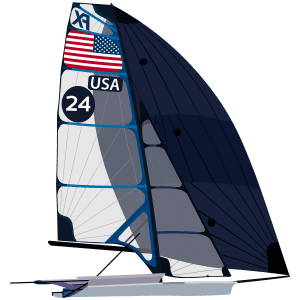
About: Powerful and dynamic, the 49er has been at the forefront of high performance sailing since it’s debut at the 2000 Olympic Games. The 49er is the Men’s Skiff Olympic Class.
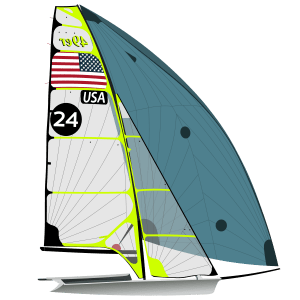
About: Powerful and dynamic, the 49er has been at the forefront of high performance sailing since it’s debut at the 2000 Olympic Games. With a slightly shorter mast and smaller sailplan than the 49er, the 49erFX is the Women’s Skiff Olympic Class.
About: The ILCA 6 (formerly known as the Laser Radial) is widely used at all levels of competition, from grassroots racing to the Olympic Games as the Women’s Singlehanded Olympic Class.
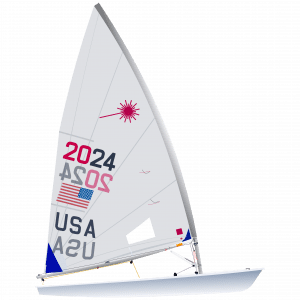
About: The ILCA 7 (formerly known as the Laser Standard) is widely used at all levels of competition, from grassroots racing to the Olympic Games as the Men’s Singlehanded Olympic Class.
We use cookies to ensure that we give you the best experience on our website. If you continue to use this site we will assume that you are happy with it.